
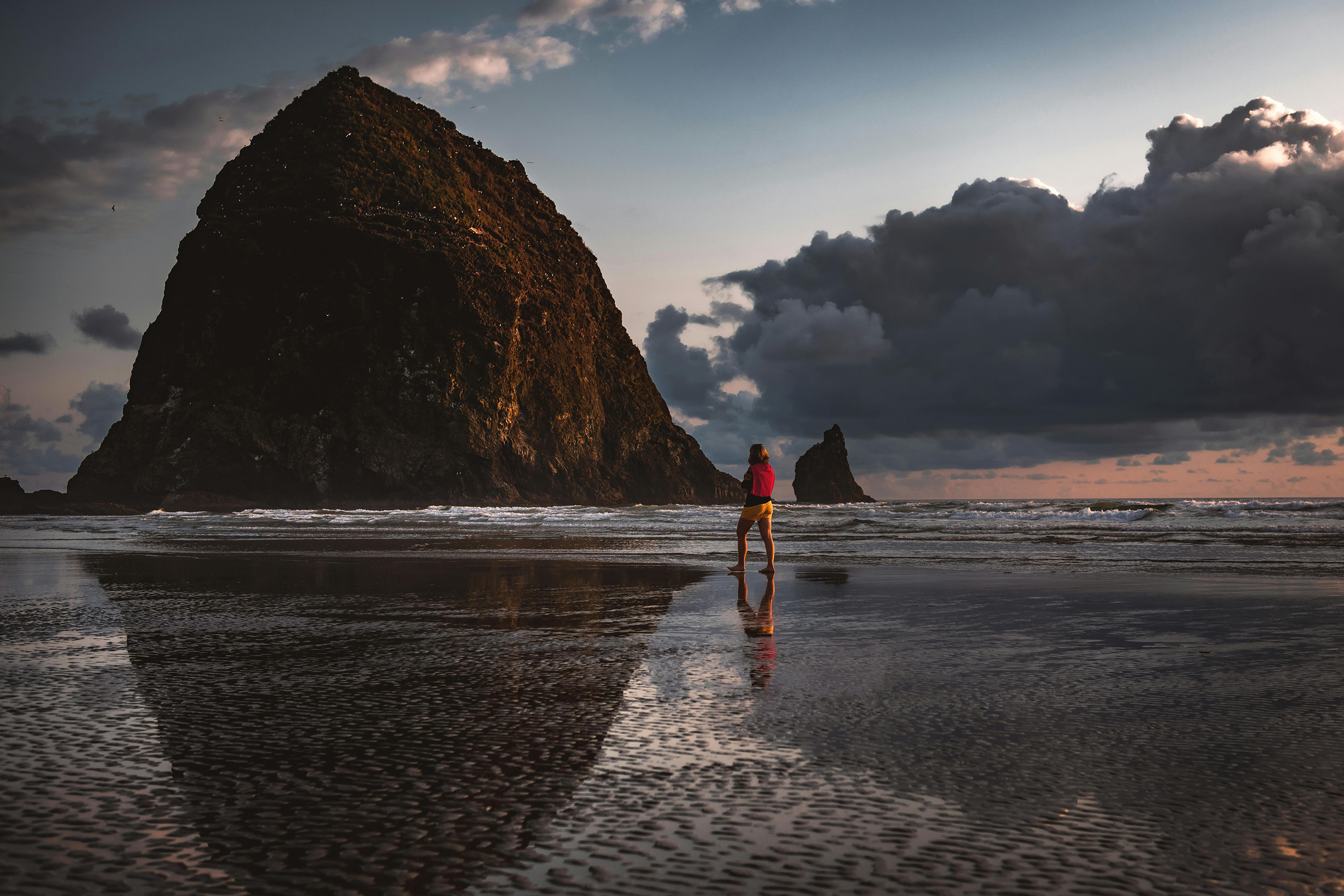
USA
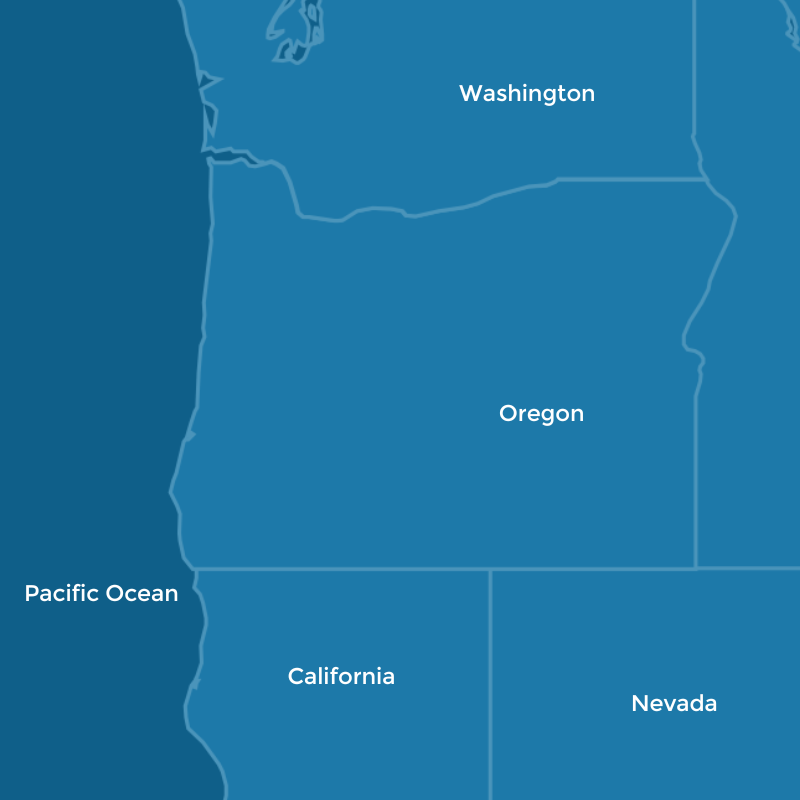
Oregon
Highlights
- Unique volcanic landscapes: Waterfalls, lava fields, and craters bear witness to Oregon’s geological history.
- Ancient forests and exceptional biodiversity: Centuries-old Douglas firs, giant daylilies, and rich, diverse coastal ecosystems.
- Vibrant cities: Portland and Bend, two cultural hubs where gardens, street art, and microbreweries reflect the state’s creative identity.
-
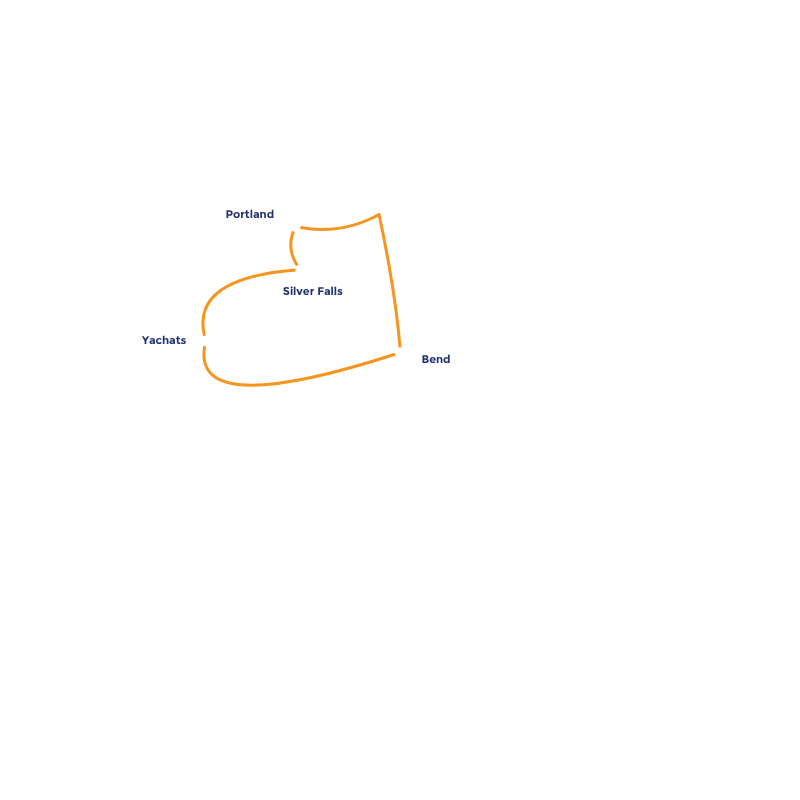
Day 1 – Portland
Portland reveals a creative, laid-back atmosphere shaped by its lush gardens, cultural neighborhoods, and pioneer heritage. The city is also known as one of the birthplaces of the American environmental movement: as early as the 1970s, it adopted forward-thinking urban policies that have made it one of the most environmentally engaged metropolitan areas today.
-
Day 2 – Portland: Gardens & Panoramas
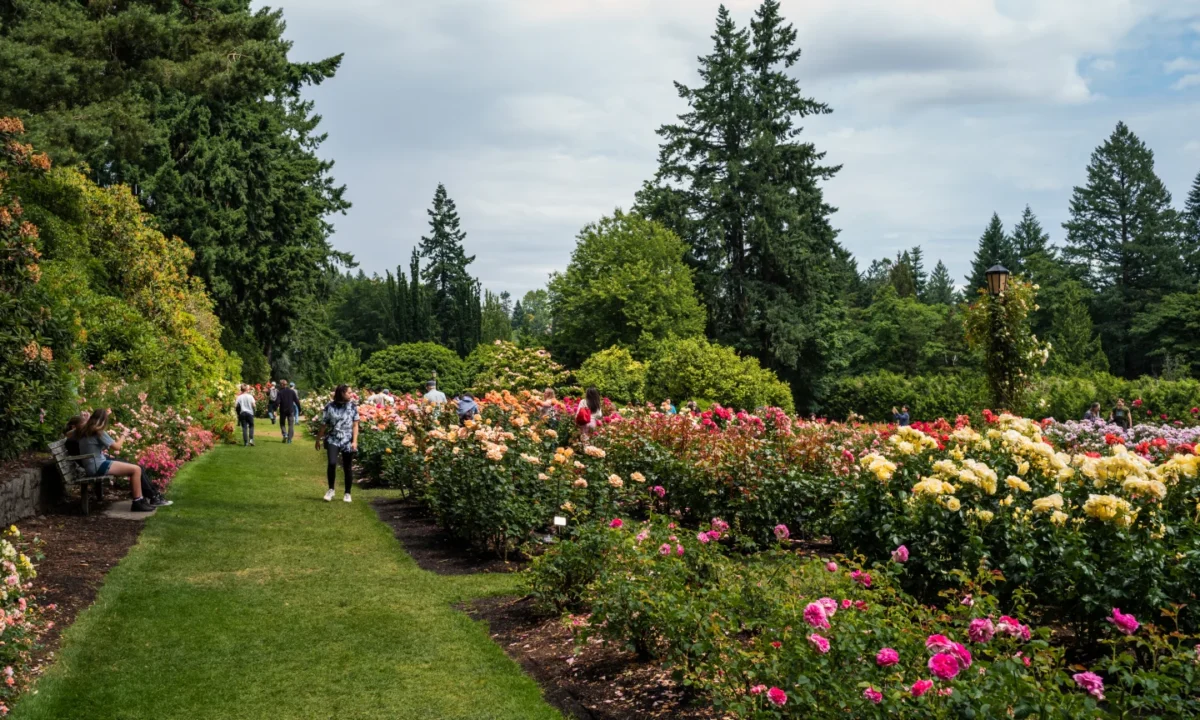
Washington Park illustrates the region’s passion for botany with thousands of plant species from around the world. The park is home to one of the oldest Japanese gardens in the United States, created in 1963 to symbolize cultural reconciliation after World War II. From the city’s heights, sweeping views hint at the presence of the Cascade Range volcanoes, including Mount Hood, visible on clear days.
-
Day 3 – Silver Falls: The Crown of the Cascades
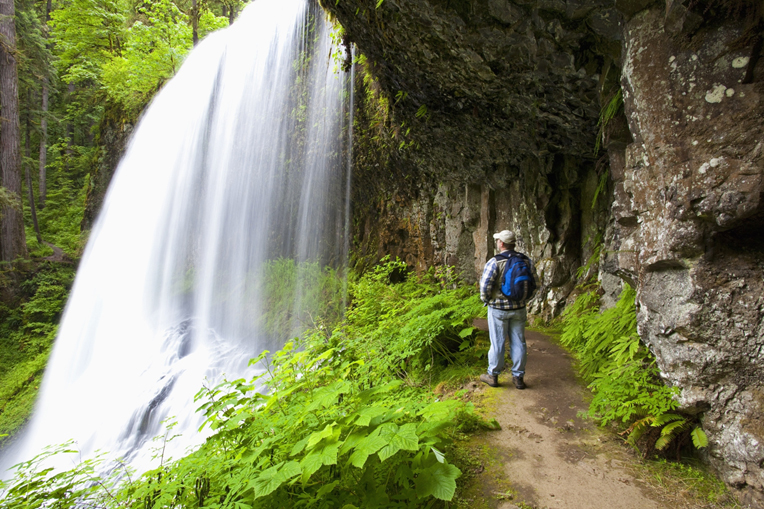
Silver Falls State Park stands out for its spectacular waterfalls carved into layers of basalt, evidence of massive lava flows that covered Oregon more than 15 million years ago. The park is also a refuge for the Pacific giant salamander, an endemic species of the region’s moist forests.
-
Day 4 – Oregon Coast: Cliffs & Maritime Culture
The Pacific coast reveals a powerful shoreline shaped by wind, tides, and offshore storms. This stretch of coastline is part of the Pacific Flyway, a major migratory corridor for millions of birds crossing North America each year. Coastal villages preserve a maritime culture inherited from the first Scandinavian fishermen who settled here in the 19th century.
-
Day 5 – Yachats: Coastal Trails & Ocean-Carved Landscapes
Yachats lies at the direct meeting point of the Pacific Ocean and coastal forests. The Cape Perpetua area is known for hosting one of the most productive temperate forests in the world, where Sitka spruce can reach over 70 meters (230 feet) in height. The name “Yachats” comes from a Native American word meaning “dark waters,” referring to the volcanic rocks lining the shore.
-
Day 6 – Toward Bend: Cascades & Salt Creek Falls
Crossing the Cascade Range highlights dense forests, volcanic peaks, and impressive waterfalls such as Salt Creek Falls. This region is marked by the presence of the Douglas fir, Oregon’s emblematic tree, which can live for more than 1,000 years and has been one of the state’s most important timber species since the early 20th century.
-
Day 7 – Bend: Newberry Volcanic Monument
Newberry National Volcanic Monument showcases a landscape shaped by successive eruptions. Newberry Volcano, still considered active, features an 8-kilometer-wide caldera formed about 75,000 years ago. The ancient forests surrounding Paulina Lake are home to wildlife adapted to volcanic soils, including the rare white-backed woodpecker, which depends on burned trees for feeding.
-
Day 8 – Columbia River Gorge
The Columbia River Gorge forms a vast river canyon created by cataclysmic floods at the end of the last ice age. This natural corridor long served as a trade route for Indigenous peoples, notably the Chinook, who exchanged dried salmon, obsidian, and shells from the coast. Even today, the gorge symbolizes the meeting of human history and geological forces.
-
Day 9 – End of the Trip
Change this trip into…
Discovery
Trip
- Guided tour of the Washington Park gardens: An iconic horticultural complex featuring themed gardens and rare plant species, reflecting Portland’s strong botanical tradition.
- Microbrewery tour in Bend: A deep dive into the local brewing scene, renowned for its craft beers inspired by the pure waters of the Cascades.
- Wine tasting at Cascade Cliffs Vineyard: An exploration of a Columbia Gorge vineyard, where volcanic soils give rise to wines with distinctive character.
Hiking
Trip
- Trail of Ten Falls (Silver Falls State Park): A route through a volcanic gorge where a series of spectacular waterfalls reveals the power of ancient lava flows.
- 804 Trail, Amanda’s Trail, or Captain Cook Trail (Yachats): Coastal trails shaped by the ocean, offering views of basalt cliffs and temperate rainforests along the shoreline.
- Big Obsidian Flow Trail (Newberry National Volcanic Monument): A trail crossing a vast obsidian field formed 1,300 years ago, offering a rare glimpse of a young, shimmering volcanic landscape.
Multi-activity
Trip
- Whale watching on the Pacific coast: A boat excursion along a wild coastline where gray whales, sea lions, and seabirds can be spotted in their natural habitat.
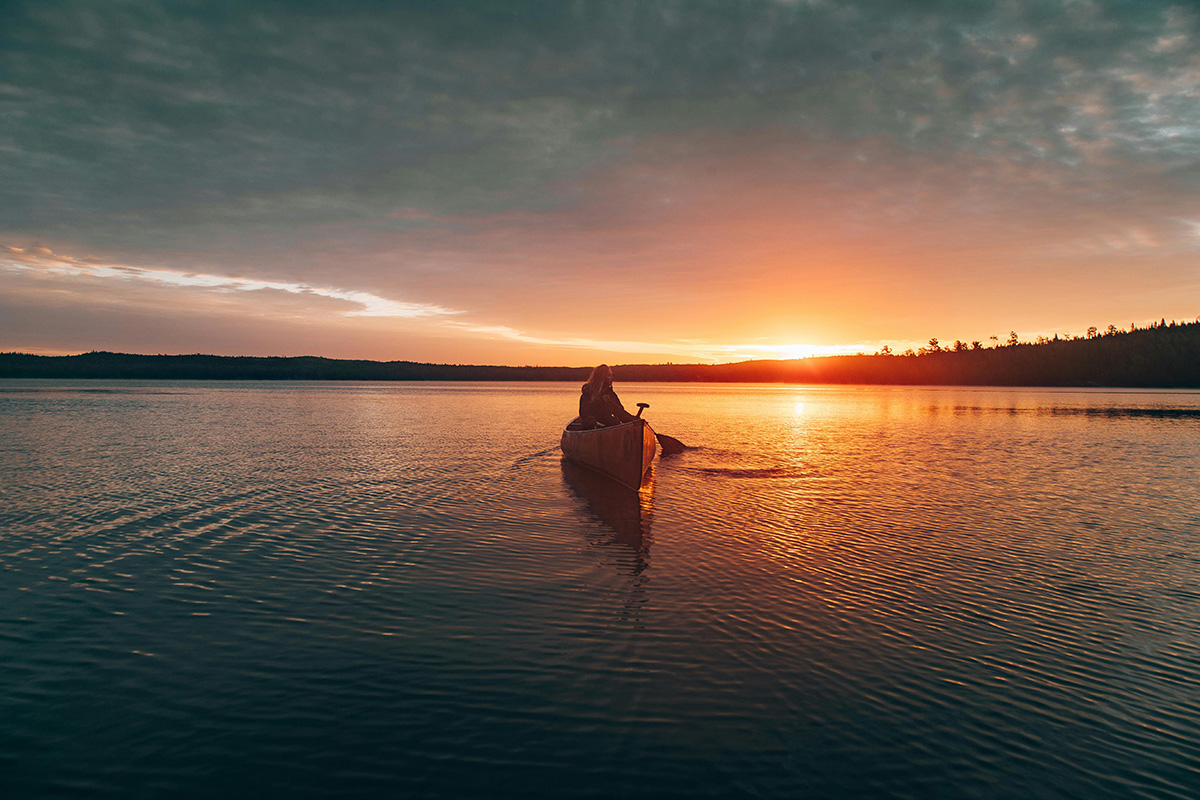
- Brews & Views Canoe Tour in Bend: A canoe outing on calm waters, paired with local tastings and panoramic views of the Cascade volcanoes.
- Mountain biking on the Bend plateaus: An active exploration of volcanic trails and ponderosa pine forests, emblematic of central Oregon.
Accommodations
Camping
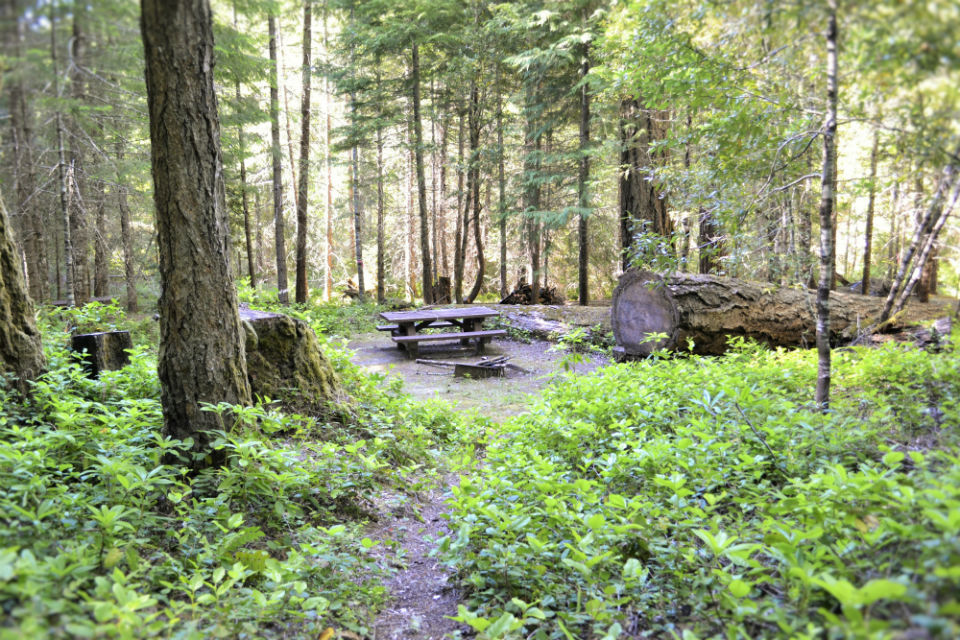
Camping for a peaceful retreat beneath the dense canopy of Sitka spruce and giant maples
Lodge
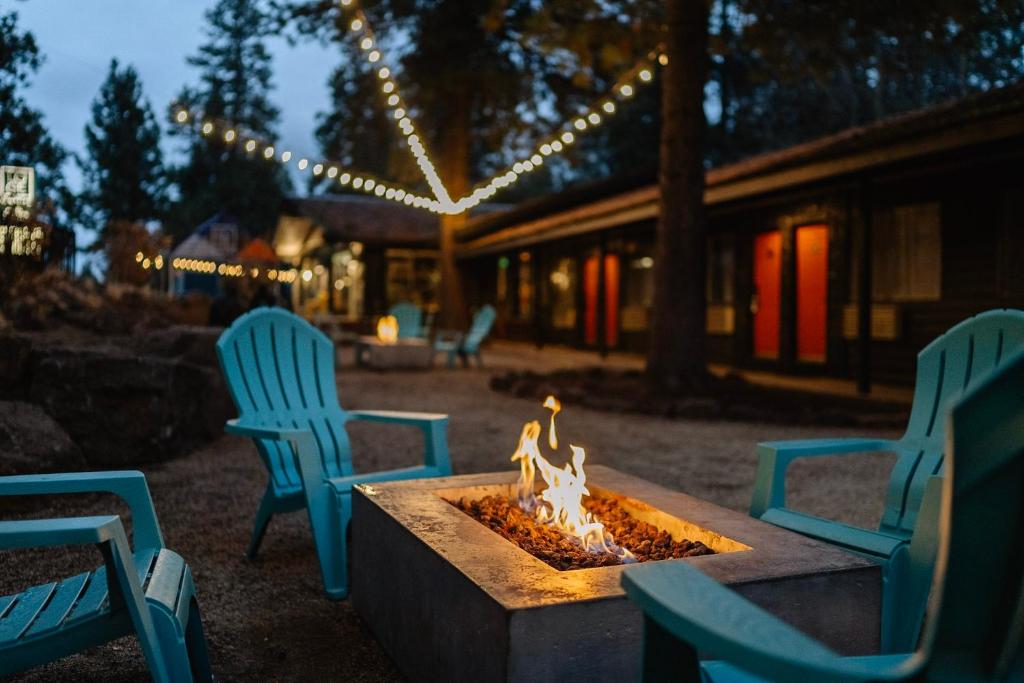
Modern mountain lodge surrounded by nature yet close to city attractions
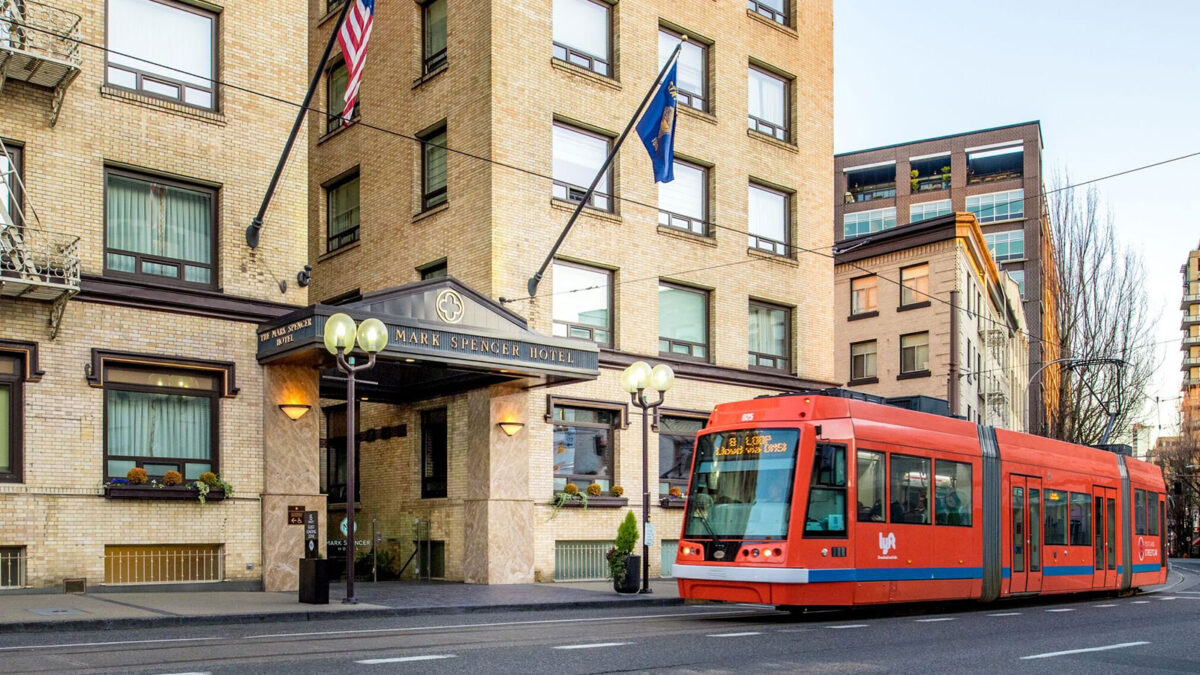
Hotel
Standard hotel in a central location for easy exploration on foot